
Crafting Unforgettable Marrakech Event Experiences with Casablanca Hire
Understanding Event Needs
Identifying Your Event Type
Before diving into planning, it’s essential to define the type of event you are organizing. Are you hosting a corporate gathering, a wedding, a product launch, or a cultural festival? Each event type has unique requirements, goals, and audience expectations. For instance, a corporate event may demand a formal setup with high-end audio-visual equipment, while a wedding might focus more on decor and ambiance. Identifying your event type will guide your planning process, venue selection, and supplier choices.
Understanding Target Audience Preferences
Knowing your audience is fundamental to the success of any event. Factors to consider include age, profession, preferences, and cultural backgrounds. For example, tech-savvy millennials might prefer interactive elements, while an older audience may appreciate a more traditional approach. Demographic analysis will aid in tailoring experiences that resonate with attendees. Gathering feedback from past events can also provide valuable insights into your audience’s interests and expectations, enabling you to adjust your strategy accordingly.
Setting Goals for Your Event
Clear objectives serve as a roadmap for your event. Goals can range from brand awareness, networking opportunities, fundraising targets, or even educational outcomes. Implementing the SMART goal framework—Specific, Measurable, Achievable, Relevant, and Time-bound—can enhance your planning process. Ensure each goal aligns with your audience’s needs and enhances the overall experience. For further support in structuring event goals and strategies, https://www.casablancahire.co.uk/ offers resources and event planning tools that can guide you effectively.
Choosing the Right Venue
Factors to Consider in Venue Selection
The venue is one of the most significant choices you’ll make. When evaluating potential spaces, consider aspects such as location, capacity, accessibility, and amenities. Is it centrally located to accommodate your audience’s travel needs? Does it have the suitable tech capabilities to support your event’s requirements? Additionally, examine the venue’s policies on catering, décor, and external vendors, as these can greatly affect your planning flexibility and overall budget.
Exploring Unique Venue Options
While traditional event venues are popular, exploring unique options can create memorable experiences. Think beyond standard hotels or conference centers—consider art galleries, rooftops, historical landmarks, or outdoor spaces that align with your event theme. Unique venues can significantly enhance your event’s aesthetic and make it more shareable on social media, which is particularly advantageous for amplifying brand reach. Always conduct a pre-site visit to ensure the venue’s atmosphere aligns with your vision before making your final choice.
How Venue Impacts Event Experience
The chosen venue significantly influences the ambience and overall experience of your event. An inspiring space can elevate attendees’ spirits and engagement levels, while a poorly chosen venue can detract from the experience. Consider lighting conditions, acoustics, and seating arrangements when selecting your venue. These elements contribute to not just the comfort of your guests but also their interactions throughout the event. Crafting an ideal layout can foster networking opportunities and promote a positive atmosphere.
Essential Planning Steps for Success
Creating a Detailed Timeline
A comprehensive timeline is crucial for effective event management. Start reverse-engineering from the event date, laying out each critical milestone—venue booking, vendor contracts, and marketing campaigns. Prioritize tasks based on dependencies to ensure that each component of the event is on track. Utilize project management tools for real-time updates, which can help streamline communication among your team and stakeholders. Allow for buffer time to address any unforeseen challenges that may arise as the event approaches.
Budgeting: What to Include
Budgeting is a critical component of event planning. Begin by detailing expected costs for venue rental, catering, entertainment, decor, marketing, and technology needs. Don’t forget to include contingency funds for unexpected expenses. An itemized budget not only helps in maintaining financial control but can also uncover areas where you can cut costs without sacrificing quality. Regularly reviewing your budget against actual spending will keep you on track economically while allowing flexibility to adjust as necessary.
Key Roles and Responsibilities
Delegating tasks and defining roles within your team fosters accountability and efficiency. Essential roles include event coordinators, marketing leads, logistics managers, and on-site staff. Clearly outline each person’s responsibilities to prevent overlaps and ensure all aspects of the event are covered. Regular team meetings leading up to the event can help keep everyone informed and motivated, making sure everyone is aligned with the event’s vision and goals.
Designing Your Event Aesthetic
Color Schemes and Themes
Your event’s aesthetic begins with the selection of a color scheme and theme that reflects your brand identity and resonates with your audience. Color psychology plays a pivotal role in influencing emotions and behaviors, so choose shades that embody the overall message you wish to convey. For instance, blue evokes trust and professionalism, while green is associated with growth and harmony. Ensure that these choices are consistent across all visual elements, from promotional materials to the actual decor at the venue.
Importance of Decorations and Setup
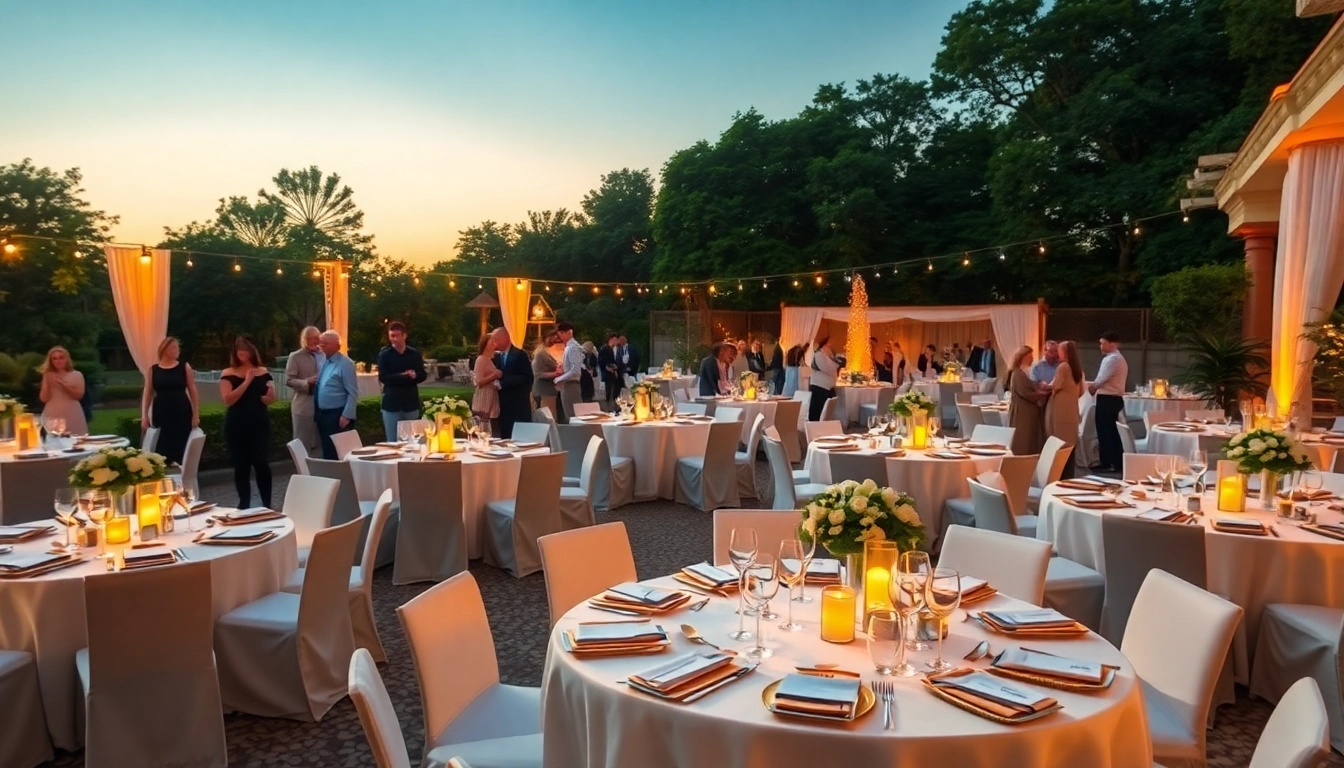
Decorations can make or break the ambiance of your event. They should align with your theme and contribute positively to the guest experience. Consider elements such as table settings, centerpieces, and lighting effects. Thoughtfully planned setups can direct attendee flow and foster engagement. Rentals like furniture and decor can be obtained from specialized suppliers, ensuring that your event looks polished and professional. Attention to detail will leave a lasting impression on your guests.
Hiring Professional Designers and Coordinators
While DIY might seem appealing, hiring professional designers and coordinators can save time, reduce stress, and enhance the overall quality of your event. Experienced professionals bring creative input, logistical expertise, and vendor connections, ensuring that no detail is overlooked. They also help mitigate potential issues before they arise, allowing you to focus on engaging with your attendees and enjoying the event itself.
Post-Event Analysis and Feedback
Gathering Feedback from Guests
Collecting feedback post-event is essential for measuring success and understanding areas of improvement. Use surveys or direct interviews to gather insights on various aspects of the event, including food quality, overall organization, and engagement levels. Anonymity in feedback can encourage honest responses, providing you with valuable information to implement in future events. Take time to analyze this data and discuss it with your team to identify strengths and weaknesses.
Measuring Event Success with KPIs
Key performance indicators (KPIs) provide a quantitative measure of your event’s success, helping assess alignment with your goals. Common KPIs include attendee numbers, engagement rates, revenue generated, and audience feedback scores. Establishing benchmarks prior to the event allows for effective comparison. In your analysis, consider what strategies worked well and what adaptations may be necessary for future endeavors. Continuous improvement is a hallmark of successful event strategy.
Planning for Future Events
Utilize the insights gained from your event analysis to inform future planning. Consider hosting follow-up meetings with your team to collaboratively discuss what went well and what could be improved. Documenting all lessons learned will serve as a significant resource in your planning toolkit for upcoming events. Consistent iteration and adjustment will refine your approach, keeping your events fresh, engaging, and successful over time.
Frequently Asked Questions
What are the first steps in planning an event?
The initial steps include identifying the type of event, understanding your target audience, and setting clear objectives that guide the planning process.
How do I choose a venue for my event?
Consider factors like location, capacity, accessibility, amenities, and how well the venue aligns with your event’s theme and audience preferences.
What should I include in my event budget?
Your budget should cover venue costs, catering, entertainment, decor, marketing, and include a contingency fund for unexpected expenses.
Why is gathering feedback important after an event?
Feedback helps assess the success of your event, providing insights into attendee satisfaction and identifying areas for improvement in future events.
How can I measure the success of my event?
Use key performance indicators (KPIs) such as attendee numbers, engagement levels, revenue generated, and audience feedback to measure success effectively.