
Expert Guide to Choosing the Best Table Mitre Saw in 2026
Understanding Table Mitre Saws
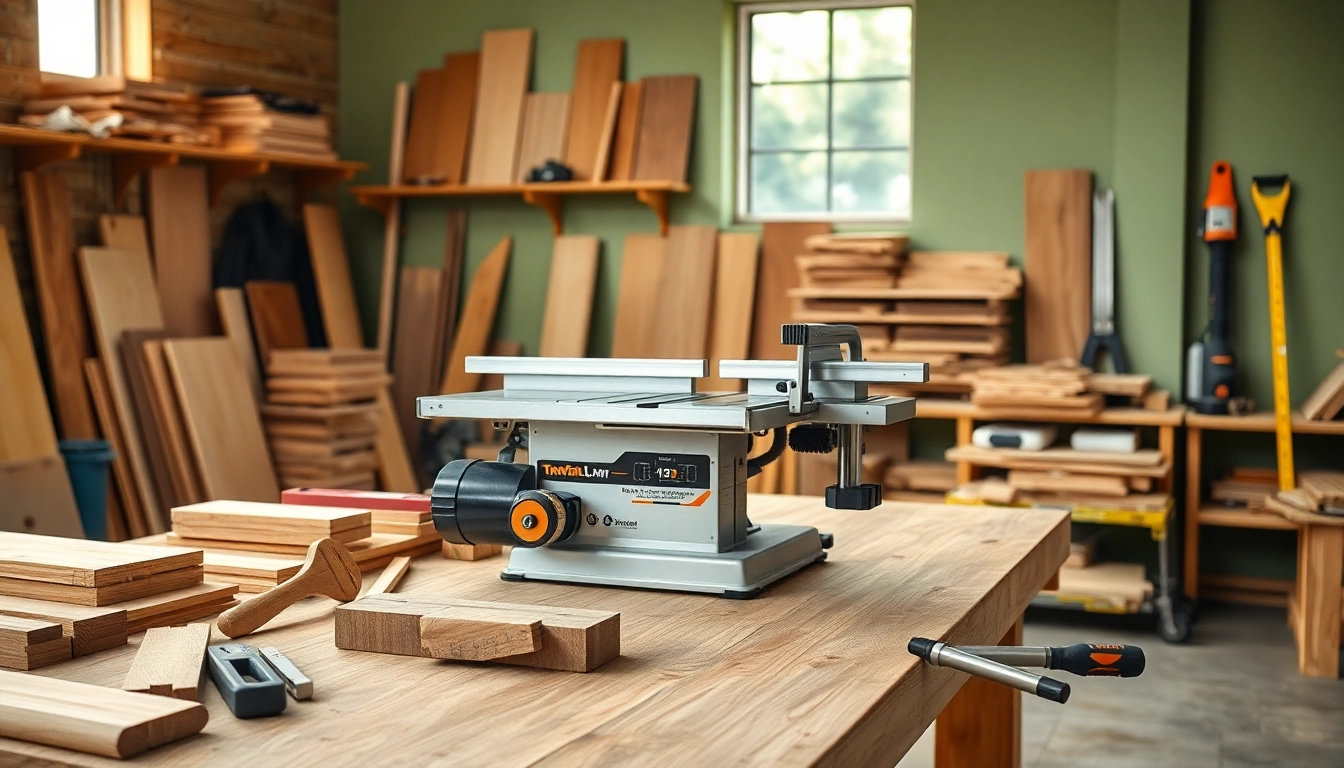
Table mitre saws are indispensable tools in both professional and amateur woodworking environments. They are designed for precision cutting, allowing users to make angled cuts with ease. The fusion of a table saw and a mitre saw enables this tool to handle a wide range of woodworking tasks, enhancing both flexibility and functionality. When exploring options, table mitre saw offerings provide comprehensive insights into various models and features available on the market in 2026.
What is a Table Mitre Saw?
A table mitre saw is an advanced power tool that combines the capabilities of a traditional mitre saw with the stable, expansive workspace of a table saw. This tool is designed to make precise angled cuts, often referred to as mitre cuts, as well as straight cuts across a wide range of materials. The saw typically features a circular blade mounted on a pivoting arm, which allows for both vertical and horizontal adjustments.
Key Features of Table Mitre Saws
- Adjustable Angles: Most table mitre saws offer a range of angle settings, usually from 0° to 45° or even more, allowing for a variety of cuts.
- Sliding Mechanism: Sliding mitre saws expand the cut capacity, letting users work with wider boards more effectively.
- Laser Guides: Many modern models come with built-in laser guides that improve accuracy during cuts.
- Dust Collection: An efficient dust collection system helps maintain a clean workspace and reduces respiratory hazards.
- Table Extensions: Some saws include extensions for larger workpieces, providing additional support and stability.
Benefits of Using Table Mitre Saws
Table mitre saws present a multitude of benefits for both hobbyists and professionals alike. They allow for enhanced accuracy compared to handheld saws, drastically reducing the likelihood of errors. With their adaptability, these saws can make complex cuts that would be difficult to achieve with other tools. Additionally, using a table mitre saw can significantly speed up projects, allowing users to complete tasks efficiently while maintaining high-quality results.
Choosing the Right Table Mitre Saw for Your Needs
Assessing Your Woodworking Needs
When selecting a table mitre saw, it’s essential to first assess your specific woodworking needs. Consider the types of projects you intend to undertake—are you primarily cutting small trim pieces, or do you plan to work with larger boards? Understanding your project requirements will help you identify the features that are most crucial for your work, such as cutting capacity and accuracy.
Comparing Brands and Models
There are numerous reputable brands in the market, each with its unique offerings. Brands such as DEWALT, Makita, and Bosch are renowned for their reliability and performance. When comparing models, look for user reviews and expert recommendations to gauge the performance and durability of each saw. Additionally, compare warranty options and customer service quality, as these factors can significantly affect your long-term satisfaction.
Evaluating Price vs. Features
Price is a significant factor in choosing a table mitre saw, but it shouldn’t be the only consideration. Evaluate the features that come with each model against their price points. While higher-priced models often include more advanced features, there are also budget-friendly options that deliver excellent performance. Determine what features are essential for your tasks without overspending on unnecessary functions.
Best Practices for Using a Table Mitre Saw
Safety Measures to Follow
Safety is paramount when using any power tool, including table mitre saws. Always wear appropriate personal protective equipment (PPE), including safety goggles and hearing protection. Ensure that the workspace is free from clutter and distractions, and maintain a clear line of sight to the cutting path. Additionally, always follow the manufacturer’s safety instructions and keep hands clear of the blade while operating the saw.
Setup and Calibration Tips
Proper setup and calibration can greatly enhance the performance of your table mitre saw. Start by ensuring that the saw is placed on a stable, level surface. Check that the blade is correctly aligned with the fence and that the cutting angles are accurately set. Regularly inspect the saw for any signs of wear and tear, replacing damaged components immediately to maintain precision and safety.
Common Mistakes to Avoid
Even experienced woodworkers can fall prey to common mistakes when using table mitre saws. One frequent error is rushing through cuts without ensuring proper measurements, leading to inaccurate results. Another mistake is neglecting to use the right blade for specific materials, which can affect cutting quality and safety. Always double-check measurements and select the appropriate blades for your projects.
Maintenance and Care for Table Mitre Saws
Routine Maintenance Checklist
Regular maintenance is crucial to extending the life of your table mitre saw. Create a routine maintenance checklist that includes tasks such as cleaning the blade, checking the alignment, and lubricating moving parts. Keeping the saw clean from dust and debris will also help prevent malfunctions and maintain optimal performance.
Signs Your Saw Needs Repair
Be vigilant in recognizing the signs that your saw may require repair. Unusual noises, vibrations, or a decrease in cutting performance are all indicators that something may be wrong. Additionally, if the blade is not cutting straight or if the saw is frequently misaligned, it may be time to consult with a professional for repairs or maintenance.
Extending the Life of Your Table Mitre Saw
To maximize the lifespan of your table mitre saw, always follow safety and maintenance guidelines. Invest in high-quality blades suited for your specific tasks, as using the wrong blade can cause excessive wear and tear. Store the saw in a dry environment, away from extreme temperatures or moisture, and regularly inspect it for any signs of damage or wear.
Future Trends in Table Mitre Saws
Technological Advancements to Expect
The woodworking industry is continuously evolving, and table mitre saws are no exception. In 2026, we can expect to see advancements in automation and smart technology integration. Features such as Bluetooth connectivity for precision cutting and enhanced safety measures, like automatic shut-off systems, will become more common.
Emerging Brands to Watch in 2026
As the market for table mitre saws expands, new brands are emerging with innovative solutions. Companies focused on eco-friendly products and advanced materials will likely gain traction. Keeping an eye on these brands can provide you with access to cutting-edge technologies and more sustainable options for your woodworking needs.
Conclusion: Making Informed Choices
Investing in a table mitre saw can significantly enhance your woodworking capabilities. For more information, Mister Worker offers valuable insights. By understanding the key features, benefits, and maintenance requirements, you can make informed decisions that suit your projects. The future of table mitre saws is bright, with promising advancements on the horizon that will improve efficiency and safety in your workshop.