
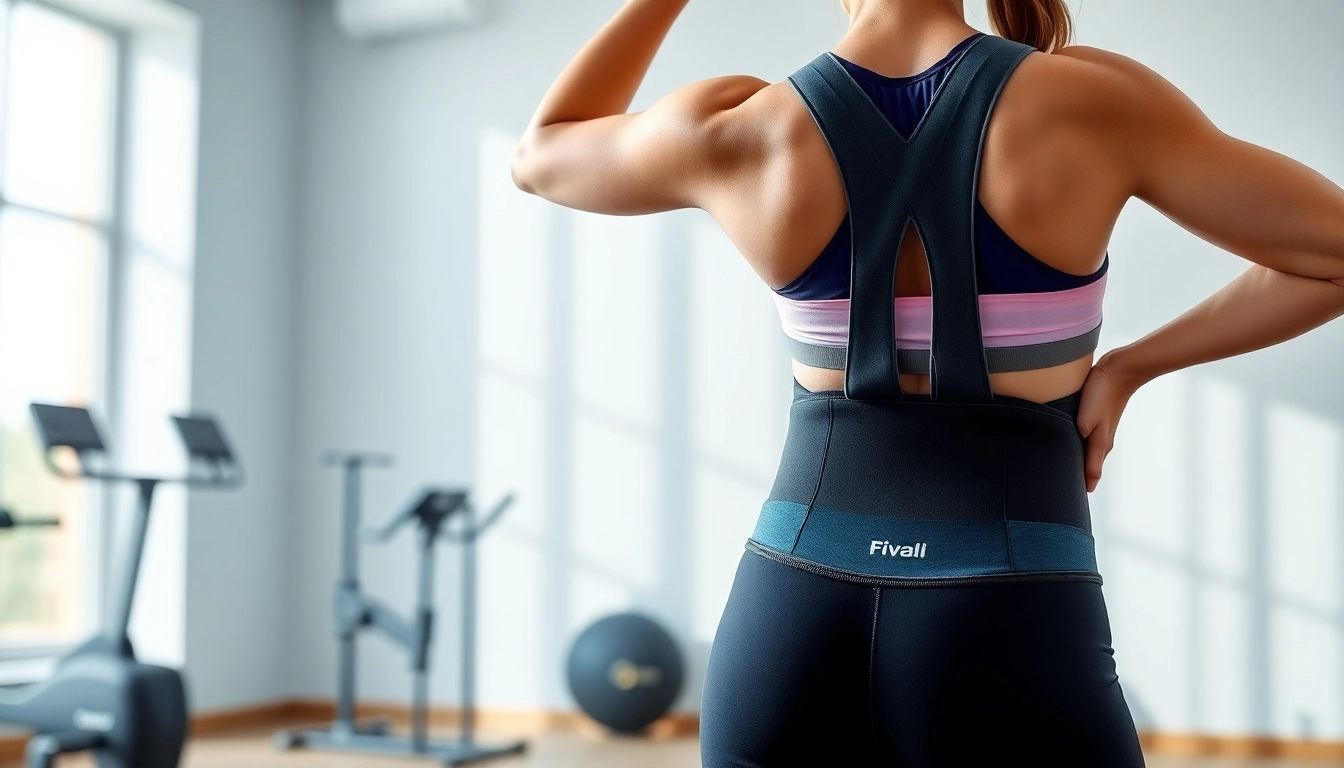
Why Choose Fivali Back Brace?
If you’ve ever struggled with back pain, you know how debilitating it can be. The fivali back brace offers a targeted solution designed to alleviate discomfort while promoting proper spinal alignment. With a commitment to quality and an understanding of user needs, Fivali stands out in the competitive market of back support braces.
Unique Features of Fivali Back Brace
The Fivali back brace is engineered with a variety of innovative features tailored to optimize comfort and effectiveness. One standout attribute is the use of breathable materials that allow for prolonged wear without overheating. Additionally, they are designed with adjustable straps to provide a secure and personalized fit for different body types.
- Lightweight Design: Ensures mobility while providing support.
- High Compression: Offers targeted relief by stabilizing the abdominal area.
- Posture Correction: Encourages alignment of the spine and shoulders, reducing muscle strain.
Customer Testimonials and Success Stories
Many users have shared positive experiences with the Fivali back brace, reporting significant reductions in pain and improvements in posture. One customer stated, “After just a few days of wearing the Fivali back brace, I noticed a remarkable difference in my daily activities. It’s incredibly comfortable and discreet enough to wear under my clothes.”
These testimonials reflect a wider trend of satisfaction, with a growing number of users recommending Fivali’s products for their effectiveness and comfort.
Comparative Analysis with Competitors
In comparison to other brands, the Fivali back brace not only offers similar support but at a more competitive price point. While many traditional braces use rigid materials that restrict movement, Fivali’s focus on flexibility and breathability sets it apart. This attention to detail provides a unique selling proposition that resonates with active individuals who require back support without sacrificing freedom of movement.
What is the Back Support Brace?
Back support braces are specialized orthopedic devices designed to stabilize the spine and reduce pain. Understanding their construction and functions is key to selecting the right brace for your individual needs.
Understanding the Anatomy of Back Braces
Back braces are typically composed of several key elements, including supportive panels, adjustable straps, and breathable materials. The design aims to provide maximum compression and stability while allowing for some degree of flexibility.
Different Types of Back Support Braces
Not all back braces are created equal. They can be classified into different categories based on their intended use and structural properties:
- Soft Braces: Ideal for mild pain relief and postural support.
- Rigid Braces: Provide firm support for severe injuries or post-surgery recovery.
- Compression Braces: Focus on stabilizing the abdominal area to alleviate pressure from the spine.
How to Choose the Right Brace for Your Needs
Selecting the proper back brace involves understanding your specific condition. Consult with a healthcare professional to assess your needs, and consider factors like the type of pain, activity level, and size of the brace. A well-fitted brace can significantly enhance your comfort and recovery.
Functionality of Lumbar Support Braces
The functionality of lumbar support braces extends beyond mere compression; they play a pivotal role in pain relief and spinal alignment.
How Fivali Back Brace Supports Spine Alignment
One of the primary functions of the Fivali back brace is its ability to promote proper spinal alignment. By maintaining a neutral position of the spine, it reduces the risk of further injury and encourages natural healing processes.
The Role of Compression in Pain Relief
Compression is a key feature of lumbar support braces. By applying targeted pressure to the abdominal area, these braces help mitigate pain by redistributing weight and providing stability to the spine.
Enhancing Mobility with Lumbar Support
While many braces offer stability, the design of the Fivali back brace ensures that mobility is not compromised. This makes it ideal for individuals engaged in sports or physical activities, where strain is often placed on the back due to repetitive motion.
Common FAQs about Back Brace Supports
Understanding the various aspects of back brace usage can help users make informed decisions. Here are some frequently asked questions regarding back support braces.
Who Should Use a Fivali Back Brace?
The Fivali back brace is suitable for anyone experiencing back pain due to various conditions such as herniated discs, sciatica, or muscle strains. It’s also helpful for athletes who require extra support during physical activities.
When to Consult a Doctor Before Use
It’s crucial to consult a healthcare provider before using a back brace, particularly for those with chronic pain or specific medical conditions. A doctor can provide tailored advice to ensure that the brace is used effectively.
Maintenance and Care for Your Back Brace
Proper maintenance extends the lifespan of your back brace. Regularly check for wear and tear, follow washing instructions, and store it in a cool, dry place to keep it in optimal condition.
Staying Informed: Future Trends in Back Support Technology
The field of back support technology is ever-evolving, with several innovative trends on the horizon.
Innovations in Back Brace Design for 2026
Looking toward the future, we can expect advancements in materials that enhance both comfort and support. Smart technology may also enter the market, with braces incorporating sensors that provide real-time feedback on posture and alignment.
Predicted Growth in Back Pain Management Solutions
The projected growth in the back pain management sector suggests an increasing demand for versatile and effective solutions. As awareness of posture-related issues grows, so too will the market for professional-grade support devices like the Fivali back brace.
Expert Insights on Back Health and Support Advances
Experts predict that ongoing research will drive improvements in the effectiveness of back braces. Future solutions will likely focus on personalized treatments that cater to the unique needs of each individual.